

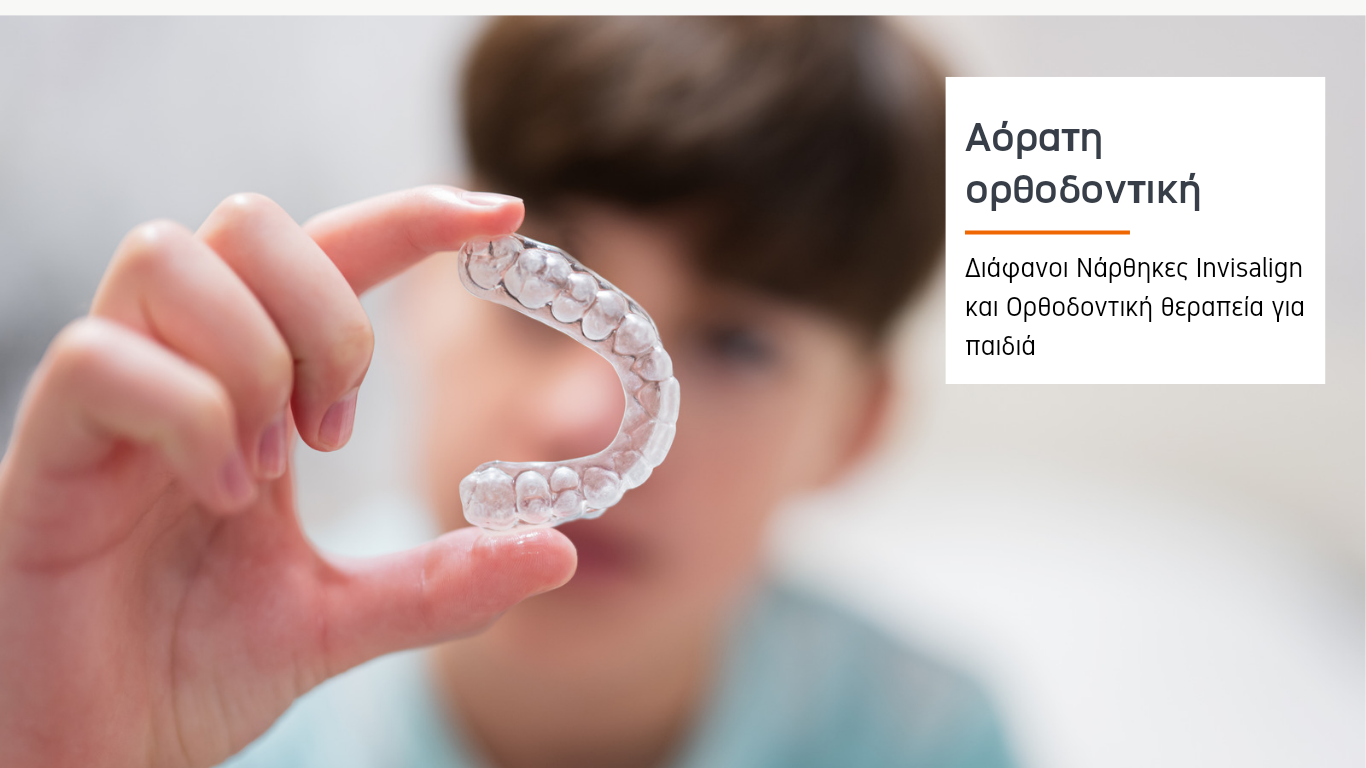
Invisalign clear aligners have gained tremendous popularity in recent years, offering a discreet and comfortable alternative to traditional braces. But is this method suitable for children? In this article, we will examine whether Invisalign aligners can be used in orthodontic treatment for children, and what the advantages and challenges of this treatment are for our young patients.
What are Invisalign clear aligners?
The orthodontic treatment approach with Invisalign clear aligners is similar to that of traditional braces. It involves an initial assessment, the design of a personalized treatment plan, and monitoring of the patient’s progress through regular visits to the orthodontist.
However, instead of wires and brackets, it is the shape of the aligners that creates the pressure required to move the teeth. The treatment consists of a series of aligners that are custom-designed to fit precisely over the patient’s teeth, gradually moving them into the desired position.
When is Invisalign suitable for children?
The appropriate age to begin using clear aligners varies depending on the development of the child’s teeth. Generally, Invisalign aligners can be used once all permanent teeth have erupted, usually around the age of 12. It is important that an orthodontist evaluates the child to determine whether they are a suitable candidate for this treatment.

Advantages of Using Invisalign for Children
• Aesthetics and Confidence: The discreet appearance of clear aligners can help children feel more comfortable and have greater confidence during orthodontic treatment. Compared to traditional braces, Invisalign aligners are far less noticeable and do not cause embarrassment in young patients.
• Ease of Use: The aligners are removable, which makes brushing and flossing easier, ensuring better oral hygiene throughout the treatment. Additionally, children can enjoy their favorite foods without restrictions, since the aligners are removed before meals.
• Comfort: Clear aligners are made of smooth plastic material, which does not cause irritation or injury to the gums and cheeks, unlike metal braces.
• Habits and Activities: Invisalign aligners can be easily integrated into a child’s daily life. They can be removed during sports activities or when playing musical instruments, offering flexibility and comfort.
• Monitoring and Adjustments: Treatment with Invisalign requires regular visits to the orthodontist for check-ups and adjustment of the aligners. These appointments are usually short and less frequent compared to those for traditional braces.
Challenges and Limitations
• Children’s Compliance: The success of Invisalign treatment depends largely on the patient’s consistency. Children must wear the aligners for at least 20–22 hours a day. This requires discipline and responsibility, which can be challenging for some children.
• Special Alignment Needs: In some cases, Invisalign aligners may not be the most effective solution, especially in cases of severe orthodontic problems. The orthodontist should assess the situation and recommend the most appropriate treatment method.
• Cost: The cost of clear aligners can be higher compared to traditional braces. However, payment options are available that can make the treatment more affordable.

Conclusions
Invisalign clear aligners offer an attractive alternative to traditional braces for children. With proper discipline and monitoring, they can deliver excellent results, improving both the aesthetics and oral health of children. It is important for parents to consult with an orthodontist to determine whether this method is the best option for their child.
At Dental Aesthetics, with the expertise of Dr. Athanasios Nikitopoulos, who is certified in orthodontic treatment with clear aligners by the German manufacturer of medical devices for orthodontic systems, Modern Me GmbH, we can help you choose the best orthodontic solution for your child.