

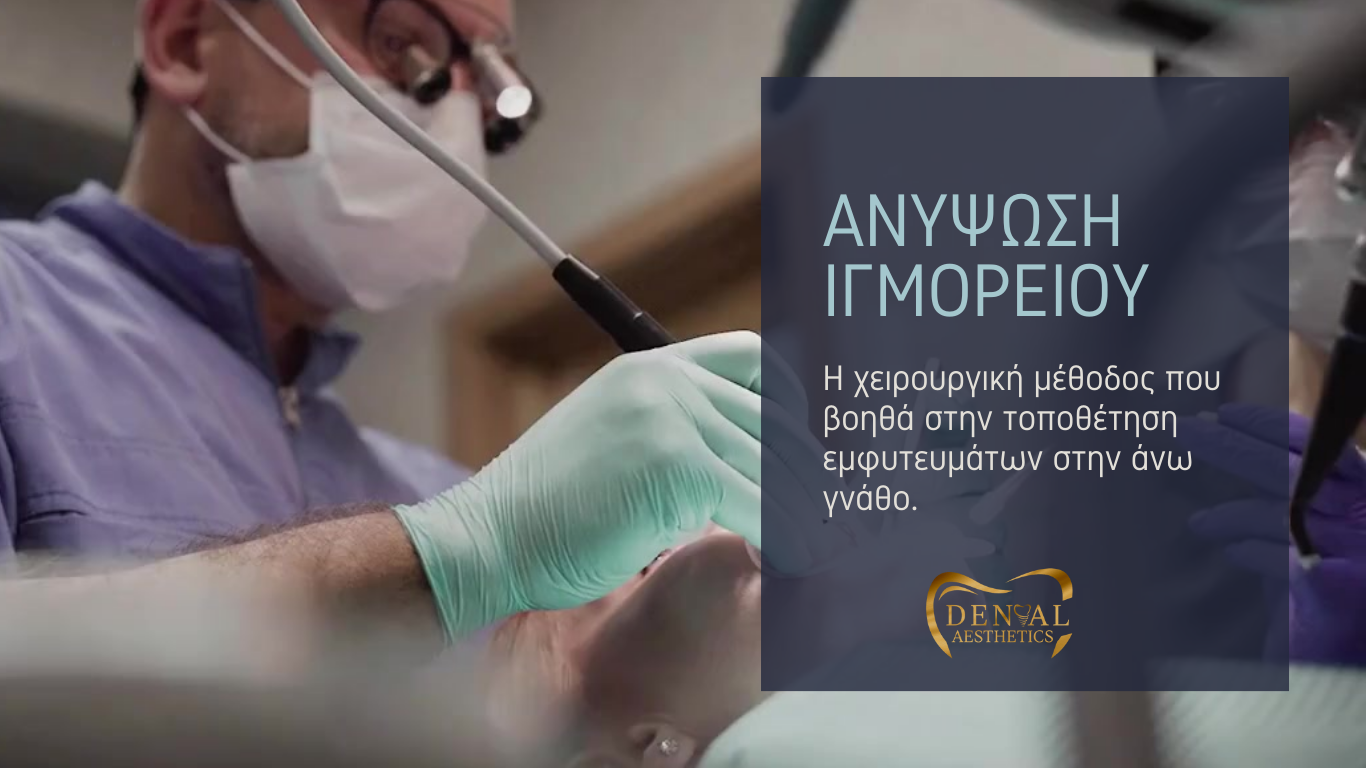
A lack of bone volume can be easily addressed through a sinus lift surgery (also known as sinus augmentation), during which the specialist dentist places bone graft material in the upper jaw.
What are the maxillary sinuses, and why do they create problems with implant placement?
The maxillary sinuses are parts of our anatomical system located behind the cheekbones and above the upper jaw. These cavities are filled with air and form an important part of the structure that supports our teeth, providing stability to the entire dental arch.The maxillary sinuses are parts of our anatomical system located behind the cheekbones and above the upper jaw. These cavities are filled with air and form an important part of the structure that supports our teeth, providing stability to the entire dental arch.
The roots of the upper back teeth often extend into the maxillary sinuses, which means that when we lose or have teeth extracted, very little supporting bone remains in the jaw. The same applies in cases where teeth have been missing for a long time before implant treatment, leaving insufficient bone for quick and easy implant placement.

Additional factors that may contribute to jawbone loss include:
- Periodontal disease: Gum disease can cause bone loss if left untreated.
- Oral pathology: Cysts or tumors can damage the jawbone.
- Small jaw size
- The position of the sinuses, blood vessels, and nerves
- A large maxillary sinus (which can expand with age)
- Proximity of the roots of adjacent teeth
Through sinus lift surgery, we create sufficient quantity and quality of bone between the maxillary sinuses and the jaw, providing the ideal environment for the safe and successful placement of implants.
Types of Sinus Lift Surgery
At our practice, we use advanced sinus lift methods, tailored to each patient’s needs and clinical condition. The ideal approach may depend on how much bone is currently available in the jaw, as well as the future plan for placing the dental implant at a later stage.
Lateral Window Technique

Augmentation of the maxillary sinus floor using the lateral window technique is an advanced and effective method that does not require complex procedures and helps prevent post-operative complications.
During this procedure, the specialist oral surgeon makes an incision in the gums, exposing the bone. A window is created in the lateral part of the sinus, providing access to the underlying bone area. The piece of bone that is cut is pushed into the sinus cavity, and the bone graft is placed in the space below.
The incision is closed with sutures, allowing the bone graft to heal for 4–6 months. In some cases, the implant can be placed during the sinus lift surgery itself.
Osteotome Technique

The osteotome technique is a less invasive sinus lift procedure that can be used when the remaining bone height is equal to or greater than 6 mm and the sinus area requires elevation of less than 4 mm.
The implant site is prepared, and then bone graft material is inserted through a carrier to absorb the force applied by the osteotome. The hydraulic pressure of the graft material lifts the sinus floor to the desired height. The dental implant is usually placed during the sinus lift surgery with the osteotome technique.
The advantage of this technique is that it allows for immediate implant placement, avoiding the waiting period required by the lateral window technique.
The Use of Autologous Growth Factors in Sinus Lift Procedures
The use of autologous growth factors in sinus lift surgery is an important tool that enhances the process of new bone formation in the sinus area.
At Dental Aesthetics, we have the CGF (Concentrated Growth Factors) device, with which we use the patient’s own blood to prepare autologous growth factors. This serum is then applied to the area of the sinus where the lift is being performed. In this way, we reduce the risk of unwanted reactions and rejections, while ensuring faster recovery and integration of the bone tissue in the sinus area, accelerating the desired results.
Recovery from Sinus Lift Surgery
The recovery time depends on the type of sinus lift procedure. Some swelling around the surgical site, slight bleeding, and minor discomfort may occur — however, most patients do not experience significant post-operative problems.
After the procedure, you will be prescribed medication, which may include:
Antibiotic and antimicrobial mouth rinse.
Painkillers: to relieve any discomfort.
Anti-inflammatory medication: to reduce swelling.
Performing sinus lift surgery with Dr. Athanasios Nikitopoulos, who is specialized in Implantology and Oral Surgery, will significantly minimize the risk of complications.
Conclusions
The sinus lift techniques described above represent important tools in the field of dentistry, providing solutions for improving both the quality and the quantity of bone before implant placement. The use of autologous growth factors, the lateral window technique, and the osteotome sinus lift are efficient and safe options, offering patients a customized approach based on their needs and clinical condition. With expertise, experience, and the support of advanced technologies, we are able to provide safe and effective sinus lift procedures, allowing our patients to achieve the dental health and aesthetics they desire.
If you are considering dental implant treatment, contact us so we can answer all of your questions.